DITAPIndustrialLet's talk about your project.
Home/Solutions

Solutions

Ground networks (OT/IT)

Fiber between buildings, industrial switching, and warehouse WiFi, to ensure the plant’s network isn’t reliant on an improvised cable.

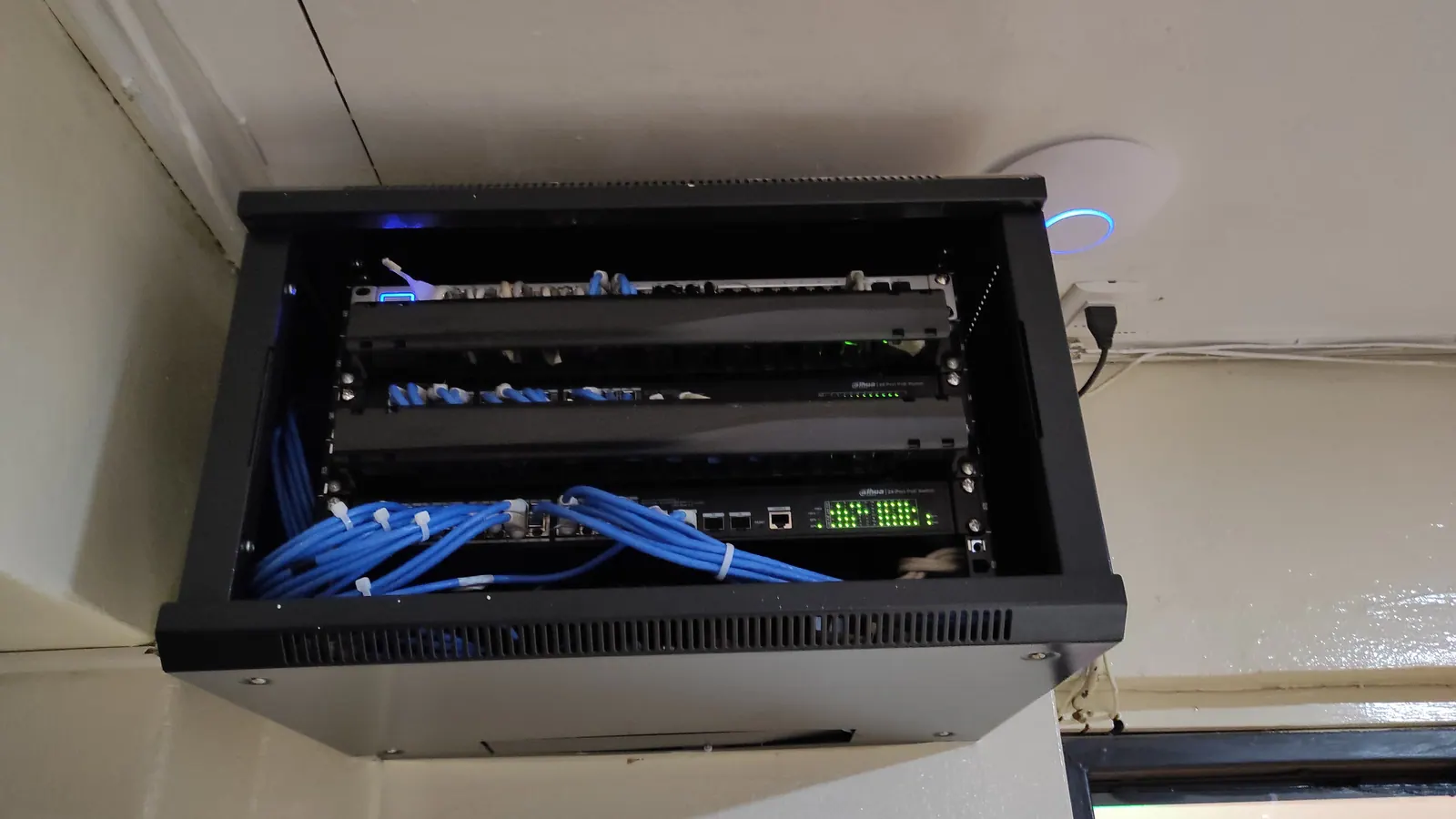
Open network cabinet with equipment and cabling.
DITAP work archive.

Reach

What we resolve.

Most of the plants we visit have their production network and office network combined on the same switch, often with a home router as a backup. It works until a team gets overwhelmed or an office issue causes a line to fail, even if it’s unrelated. We separate the OT network from the IT network, install fiber or cabling between buildings and warehouses, and use switches designed to withstand dust, vibration, and temperature fluctuations – not for an office environment.

The WiFi for the warehouse is installed after assessing the space: we walk through the entire area, identify where people gather and where mobile equipment is used, and only then determine how many access points are needed and where they should be placed.

We work with Ubiquiti, Cisco, Aruba, and Fortinet, depending on what equipment is already installed at the facility.

For whom.

  • Plants and processes, with office and plant networks mixed together.
  • Wine cellars and storage areas with poor or non-existent WiFi coverage.
  • Issues involving more than one building that are currently not on the same network.

What it includes.

  • Fiber or link between buildings and sheds.
  • Switching mechanism, robust against dust and vibration.
  • WiFi in a warehouse with coverage measured on-site.
  • Network diagram delivered at the end.
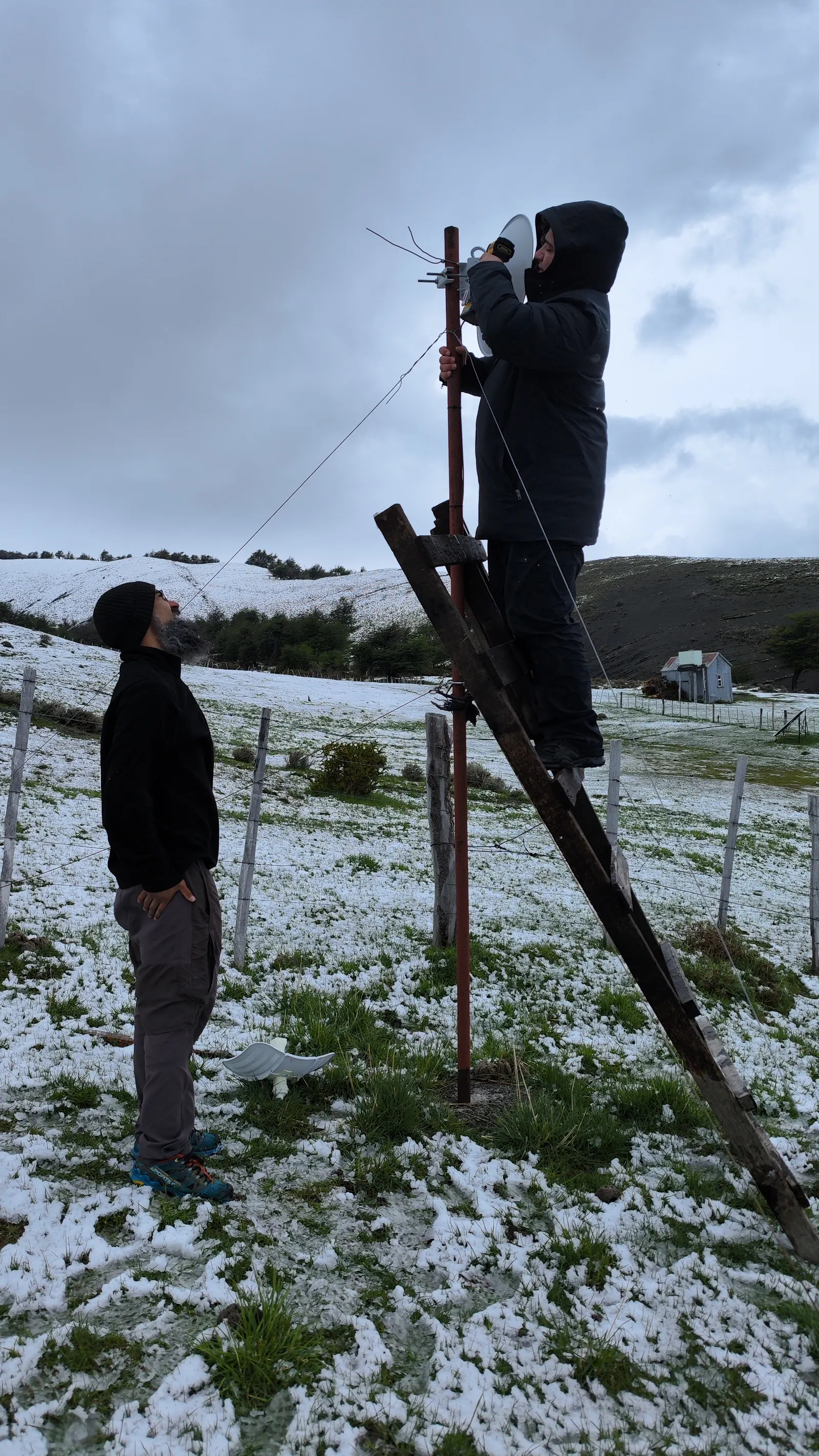
From diagnosis to delivery.

How we do it.

01

Uprising

We walked through the plant, measured distances, and determined the best location for separating the OT network from the office network.

02

Installation

Fiber or cable installation, industrial switching equipment, and access points, all while maintaining continuous production.

03

Delivery

Network diagram, coverage measured, and testing performed with plant personnel present.

Before we begin.

Can it be installed without stopping production?

Yes. We plan to work in shifts or during periods without production, coordinating this in advance with the plant manager.

Is it suitable for a shed that currently has home WiFi?

This is the most common scenario. We measure the actual coverage and then replace it with equipment and switching designed for dusty, vibrating, and outdoor environments.

Complete the solution.

Let's connect you to your next step.

Your operation needs a clear plan.

Let's talk about your project.

People, process, and support.

Support before, during and after implementation.

A clear initial contact. A written proposal. Agreed-upon next steps.

  1. Before: to understand and define

    We discussed your needs and established goals, deliverables, deadlines, and costs within the proposal.

  2. During: to coordinate the work

    We agreed on responsibilities, stages, and the necessary information to move forward. The launch and training are defined according to the project.

  3. After: knowing how to proceed.

    We’ve agreed on the channels, times, and scope of the follow-up support, so you’ll know who to contact.

Answers before deciding.

What am I going to receive before signing a contract?

A written proposal outlining the scope, deliverables, stages, price, and terms. It also identifies any additional services you would like to include.

How is support organized?

We’ve defined the contact channel, the hours of operation, and the scope of support within the proposal. This allows you to understand what kind of assistance your service offers and how to request help.

What’s happening with the information related to my organization?

When defining the project, we reviewed what information is needed, who can access it, and how it will be shared. In software systems, we also agreed on the conditions for backup, preservation, and export.

Technology that supports your trust.

A protected technology foundation.

HTTPS / TLS

Encrypted connections

Your browsing on this website uses HTTPS/TLS to protect information during transmission.

AES-256

Encoded within the infrastructure.

Vercel, the provider of hosting for this website, documents the use of AES-256 encryption for data stored within its infrastructure.

DITAP

Technology for your operation.

The protection of industrial networks and integrations is defined according to the environment, the equipment used, and the scope of the project.

Learn about the supplier’s specifications.