A process plant camera is selected based on factors such as dust, water, temperature, and cleaning conditions. An IP66 rating does not guarantee suitability for any industrial cleaning. Local recording allows for maintaining a log without relying on internet connectivity. The difference between this camera and standard CCTV cameras isn’t in the brand itself, but rather in the fact that the camera and cabling will continue to function reliably in environments with constant cold and humidity.
When a processing plant requests cameras, it’s almost always a repeat of a previous problem: cameras that fog up, stop recording after the first internet cut, or simply freeze during winter. The issue rarely stems from the brand itself; it’s because the equipment was installed in a space that experiences dust, constant humidity, and frequent deep cleaning.
The IP classification is not a technical detail.
IEC 60529 is an international standard that classifies a device’s resistance to dust and water, using a two-digit code: the first number indicates resistance to solids, and the second indicates resistance to liquids. An IP66 camera, for example, is resistant to total dust ingress and water jets from any direction, under the specified testing conditions. For outdoor use or industrial cleaning, it’s necessary to also consider temperature, chemical agents, and the manufacturer’s instructions. IP54 or IP44 are sufficient for covered hallways, but not for exposed access areas or process rooms with cleaning.
| Classification | What endures? | Where is it located? |
|---|---|---|
| IP44 | Light splashes, some dust. | Interior, covered hallways |
| IP54 | Limited powder, splashes from any direction. | Covered exterior, without direct washing. |
| IP66 | Full dust, strong water sprays during testing. | Exterior and access points, as indicated on the specifications sheet; verify the washing procedure. |
| IP67/IP68 | Temporary or continuous immersion. | Underwater cameras, specific cases. |
In a Magellan processing plant, characterized by snow, constant humidity, and often industrial washing, an IP66 rating can serve as an initial criterion for protection against dust and water. However, it is not a guarantee of operation in cold conditions or with any cleaning procedure.
Local recording: the camera does not rely on a connection.
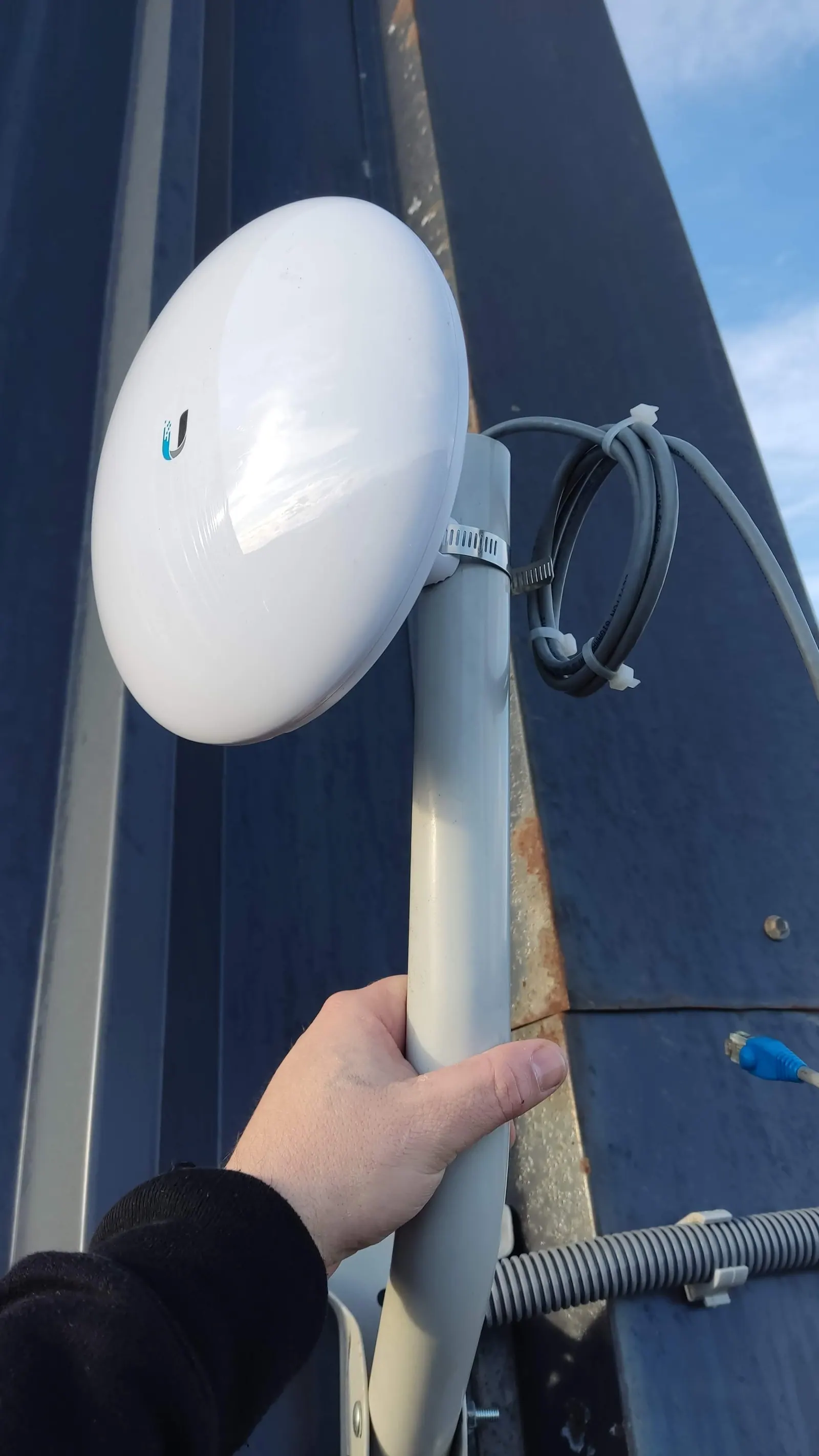
A common second mistake is to directly link the recording to the cloud without creating a local backup. In remote locations, such as a job site or a distant facility, where the connection relies on Starlink or a point-to-point link, any connection interruption results in a loss of recordings at the exact moment they are most needed. That’s why we install an NVR on-site: the camera records locally, regardless of whether the connection is up or down, and the connection is only used to view the cameras remotely, not to record them.
With a well-sized hard drive, a typical industrial installation can retain between 15 and 30 days of full-resolution recording before starting to overwrite the oldest files. This timeframe is determined based on the number of cameras and the resolution they use, and we document this information when delivering the system.
Integrate what already works.
It’s not always necessary to replace everything. If the plant already has Dahua, Hikvision, or another compatible camera brand that supports the ONVIF protocol, it’s often possible to integrate them into the new NVR without losing the previous investment. What we almost always replace, however, is the wiring and enclosures that aren’t designed for outdoor use, because that’s where installations tend to fail over time: an unprotected data cable, exposed to humidity for months, will eventually fail, even if the camera itself continues to function.
The wiring and the enclosure are just as important as the camera.
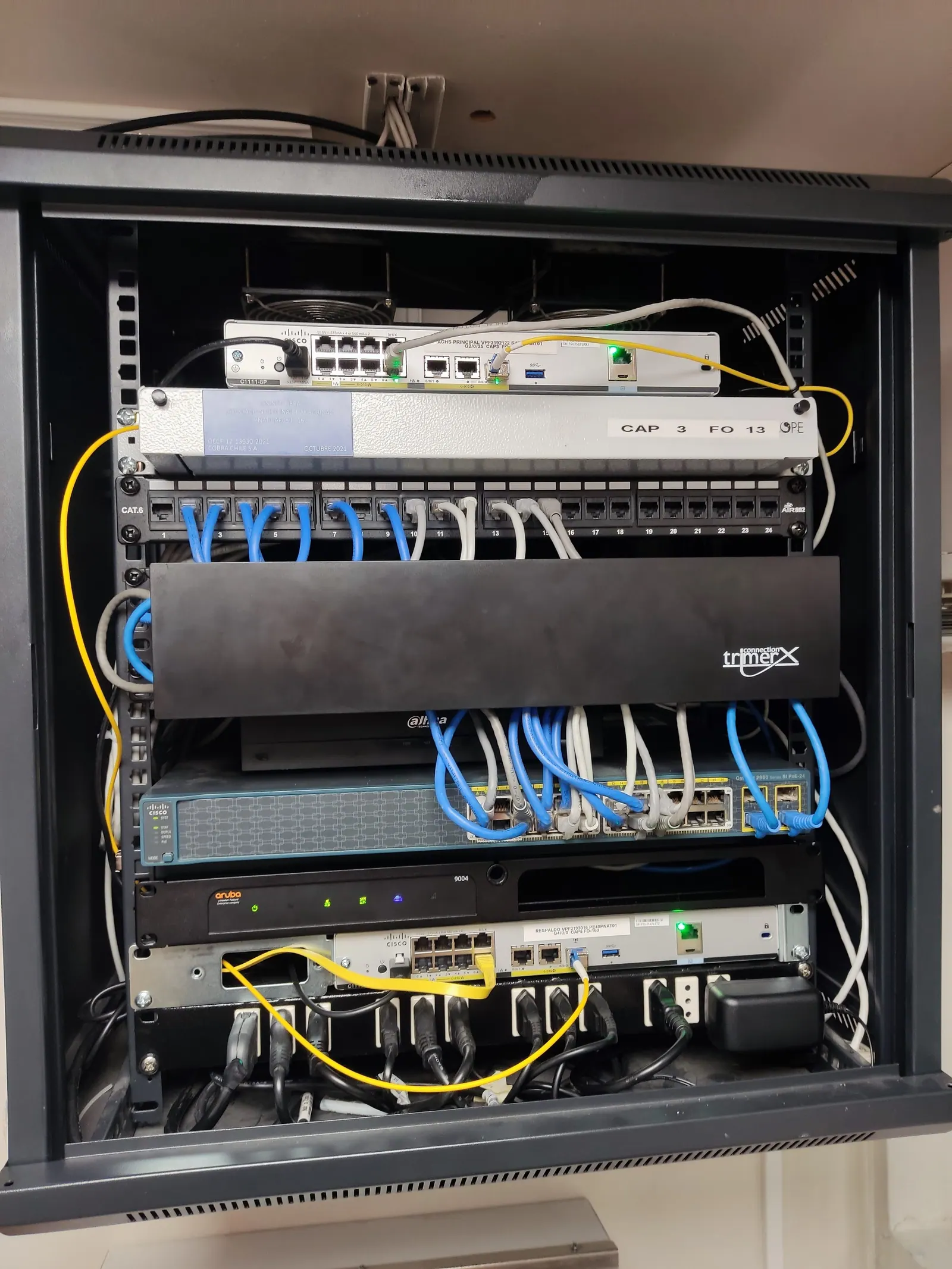
It’s common for a camera system to consume a lot of power while saving on the cabling itself. This often results in an IP66 camera being powered by a cable run through an unsealed conduit, or a patio switch housed in a plastic enclosure that can’t withstand a winter. For the camera’s classification to be meaningful, the wiring should be in protected conduit, connections should be sealed with sealant tape, and the switch that powers the cameras should be housed in its own IP66 enclosure, not in a standard office rack.
This explains why two industrial CCTV budgets can vary significantly in price, even with similar cameras – the difference often lies in what isn’t immediately apparent, which is precisely what fails first in the Magellan climate.
How many cameras does a typical plant need?
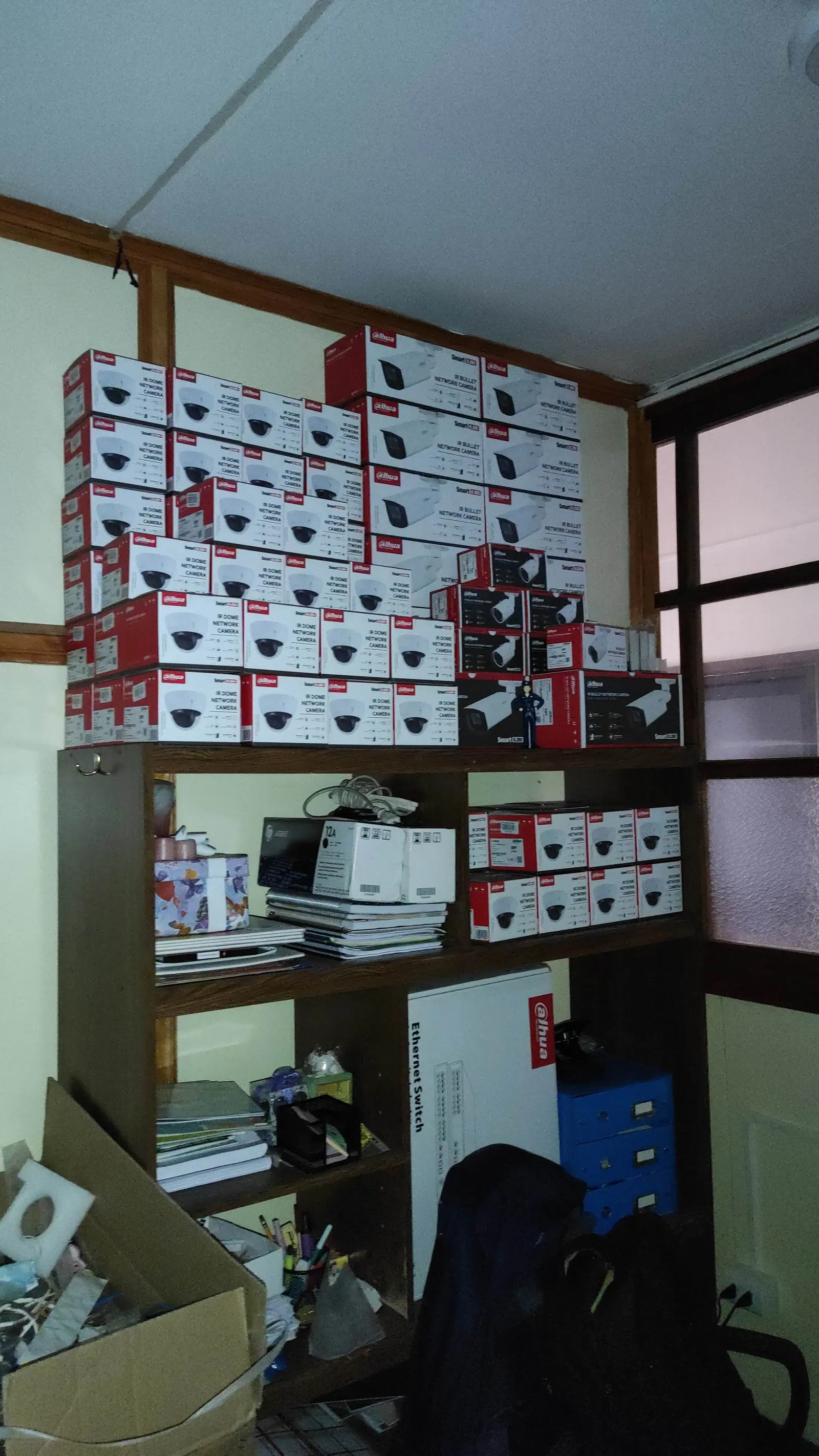
There isn’t a single figure, but a useful benchmark for initial budgeting. A medium-sized processing plant typically requires coverage across three fronts: vehicular and pedestrian access, the exterior perimeter, and critical internal areas, such as loading zones or restricted areas. For facilities of this size, it’s common to start with a camera count ranging from a dozen to slightly over twenty, depending on the number of access points and the length of the perimeter to be covered. The exact number is determined by an on-site assessment, not from a generic table: two businesses in the same industry can require vastly different quantities depending on their layout and access points.
What to check before installing.
- Are all outdoor cameras classified as IP66 or better?
- Is the recording stored in a local NVR, and is it not reliant on a network connection?
- How many days of recording does the installed disc provide?
- Do the existing cameras and NVRs support ONVIF, to avoid replacing what’s already working?
We’ll pinpoint the exact locations, in consultation with the plant manager or security chief, focusing on access points, the perimeter, and any blind spots that currently aren’t being monitored. The complete details, including what’s involved and the installation process, are outlined… CCTV for industrial use.
Technical precision and reference.
IP classification does not replace the operating temperature range or chemical resistance of the equipment. When cleaning with high-pressure hot water, verify specific approvals and the instructions for the model. Please consult… Axis technical specification guide.
The original article is retained. Prices and commercial terms are valid as of the date of publication and require confirmation before entering into any agreement.
Frequently Asked Questions
What does it mean when a camera is described as IP66?
Capable of withstanding total dust and water sprays from any angle, according to the international IEC 60529 standard for protection classification. For outdoor use in Magallanes, IP66 is the minimum reasonable level.
Would a home security camera be suitable for a plant?
It doesn't last long. Most home cameras are designed for indoor or outdoor use without washing, and they break down quickly with constant humidity or pressure washing.
How long is recorded in the NVR?
The timeframe depends on the storage medium and the number of channels used. In typical industrial settings, this usually requires between 15 and 30 days before overwriting, and this can be extended with additional storage space.
Can you integrate cameras from another brand that we already have?
In most cases, yes, if the NVR or the software supports the ONVIF protocol. We confirm this during the visit before quoting for new equipment.